Former Central Intelligence Agency analyst Larry Johnson said Iran has successfully moved 10.7 million barrels of oil through the Strait of Hormuz despite the U.S. naval blockade. He described the American operation as political theater that has depleted missile defenses while strengthening China and Russia.
"The United States does not have enough ships in the area to actually do a complete blockade," Johnson said during an interview with host Danny Higginbotham. He characterized the eight-week operation as largely symbolic rather than effective.
Johnson detailed the diplomatic origins of the conflict. He said Iran presented the United States with a specific 10-point negotiation plan which the U.S. refused to accept. Instead, Washington introduced new conditions that Tehran rejected, leading to the blockade.
The analyst said U.S. ships cannot operate near the Strait of Hormuz due to Iranian missile threats, forcing them to conduct blockade operations further out in the Indian Ocean. "Donald Trump is trapped," Johnson said, describing the operational limitations.
The conflict has severely depleted U.S. missile defense capabilities. Johnson said over 50% of THAAD and Patriot air defense interceptor inventory has been exhausted during the first eight weeks. He also reported that at least 15 U.S. bases and facilities in the region have been significantly damaged by Iranian attacks, rendering many unable to support operations.
Johnson described the economic consequences of the Strait closure as severe. "The Strait of Hormuz is closed," he said. He said airfare prices have tripled and quadrupled, with shortages of oil, fertilizer, and natural gas coming. He argued the potential for global economic depression is real.
Johnson said Iran's military strategy has already heavily mined the strategic waterway, making recent U.S. statements about mining irrelevant. He detailed Iran's program where allied nations pay reduced fees for Strait passage in Chinese yuan rather than U.S. dollars.
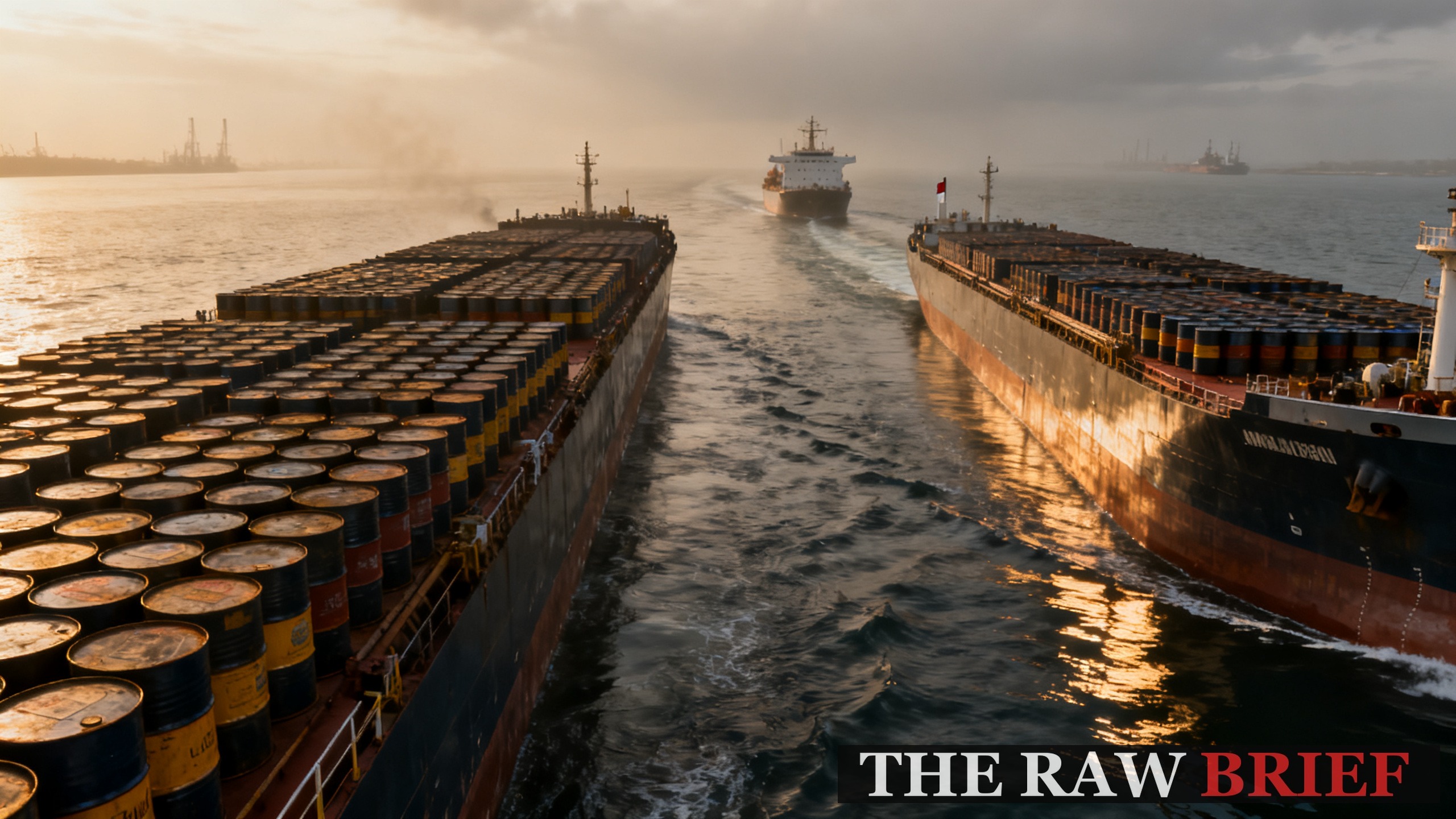
"The Iranians have moved 10.7 million barrels of oil from April 13th to the 21st," Johnson said, providing specific evidence of the blockade's failure. This massive oil transfer occurred despite U.S. efforts to intercept shipments.
China and Russia have emerged strengthened geopolitically and economically from the conflict, according to Johnson. Russia is selling resources at higher prices while China benefits from financial inflows as the U.S. focuses military resources on the failed blockade operation.
Johnson said the blockade represents a strategic failure that has weakened American military capabilities while strengthening rival powers and alternative economic systems.