The modern grocery store, with its year-round abundance and stable prices, represents an anomaly in human history that is rapidly coming to an end. Global food prices have reached their highest levels in years, with staples like eggs, rice, and bread doubling in price in some countries within months. This is not normal inflation but a structural shift driven by a fragile web of energy, logistics, and geopolitics.
At the core of this fragility is a hidden truth: modern food production depends not just on agriculture, but on oil, chemistry, and global supply chains. A simple loaf of bread, for example, relies on diesel for industrial tractors, electricity for grain elevators, bunker fuel for cargo ships, and, most critically, natural gas for fertilizer production. The Haber-Bosch process, which converts atmospheric nitrogen into ammonia using natural gas, enabled global population growth from 2 billion to over 8 billion people. But this system has a critical vulnerability—if natural gas prices spike, fertilizer becomes expensive, crop yields drop, and global food supplies shrink. Without fertilizer, half the world’s food output could collapse.
Once food is grown, it must move. The global food supply depends on tens of thousands of cargo ships navigating narrow maritime chokepoints like the Panama Canal, the Suez Canal, and the Strait of Hormuz. Droughts, geopolitical conflicts, or logistical disruptions in these regions force ships to take longer routes, burning extra fuel and raising costs—expenses ultimately passed on to consumers.
An even more invisible force amplifies these pressures: the U.S. dollar. Global commodities like wheat and oil are traded overwhelmingly in dollars, meaning currency fluctuations can devastate import-dependent nations. A baker in a developing country may see wheat prices double overnight not because of increased production or shipping costs, but because their local currency weakened against the dollar.
The consequences of these interconnected pressures are starkly unequal. In wealthy nations, families spend 10–15% of their income on food; price increases force cutbacks but not starvation. In developing countries, where families may spend 40–50% of their income on food, doubling prices leads to malnutrition, hunger, and social unrest. History shows that rising bread prices helped ignite the Arab Spring, and similar dynamics threaten stability today.
As anxiety spreads, nations are turning inward. India has banned certain rice exports, Indonesia halted palm oil shipments, and countries are stockpiling grain in strategic reserves. While rational for individual nations, these actions trigger a global chain reaction: export bans shrink supply, drive prices higher, and prompt further protectionism. Food security has become a tool of geopolitical leverage, with powerful nations using control over fertilizer, energy, and grain to influence allies and pressure adversaries.
Paradoxically, the world produces more calories than ever before. Advanced agricultural science, GPS-guided tractors, and drought-resistant seeds have boosted yields. The crisis is not one of absolute scarcity but of affordability and stability. The complex system of cheap energy, reliable shipping, and stable currencies that long supported low food prices is unraveling.
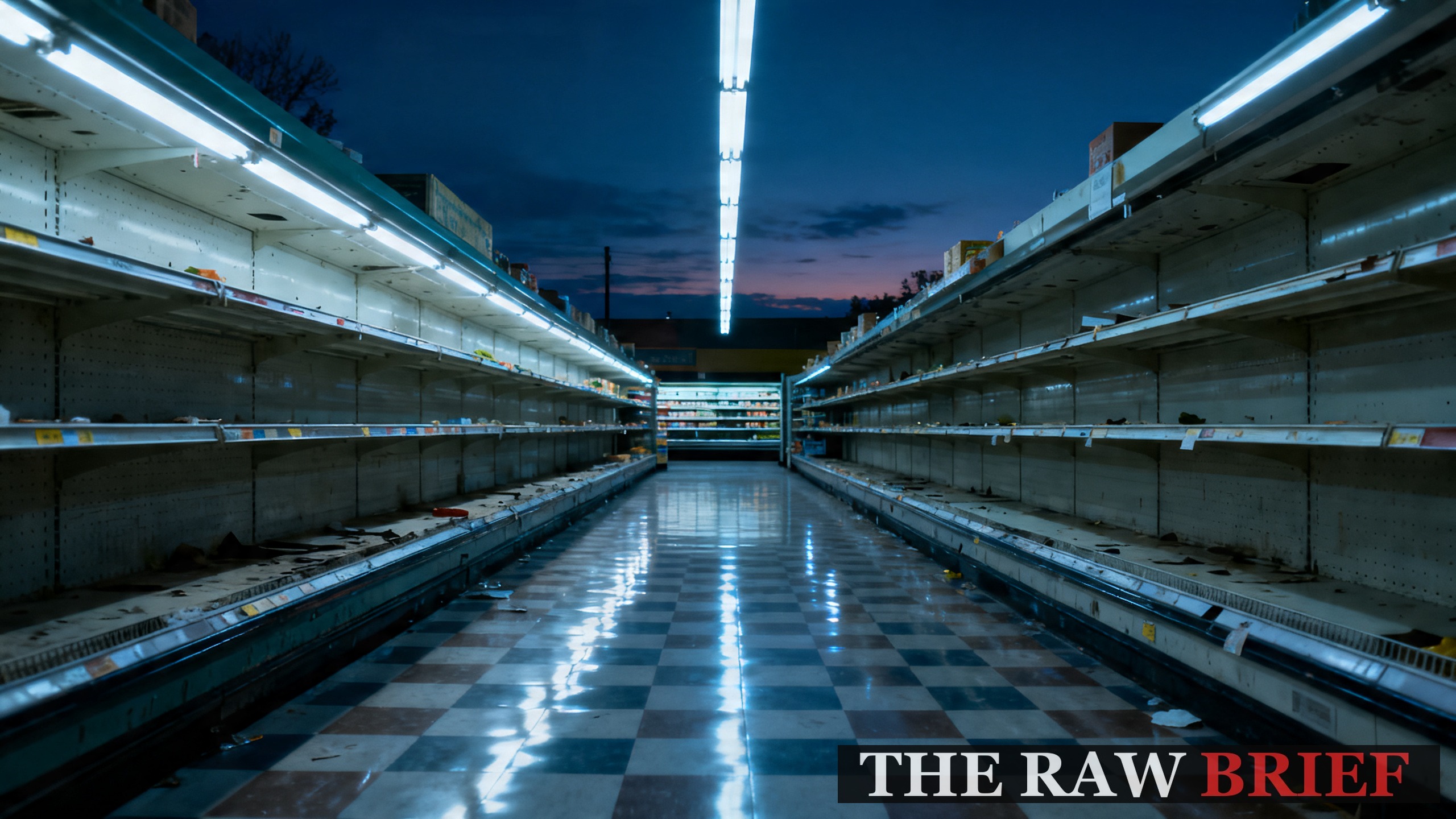
This new reality means that future shortages may not appear as empty shelves but as full ones priced beyond reach. The erosion of purchasing power is already visible in Western middle-class households, where families are quietly downgrading diets, skipping meals, and facing persistent financial stress. As food becomes politicized, elections, protests, and international relations will increasingly revolve around access to sustenance. The next global crisis may not emerge on battlefields but in grocery carts—a slow, systemic failure with profound human costs.