Professor Ted Postol contends Iran has seized control of the Strait of Hormuz and is inflicting devastating damage on Israel with drone and missile attacks that are overwhelming its defenses.
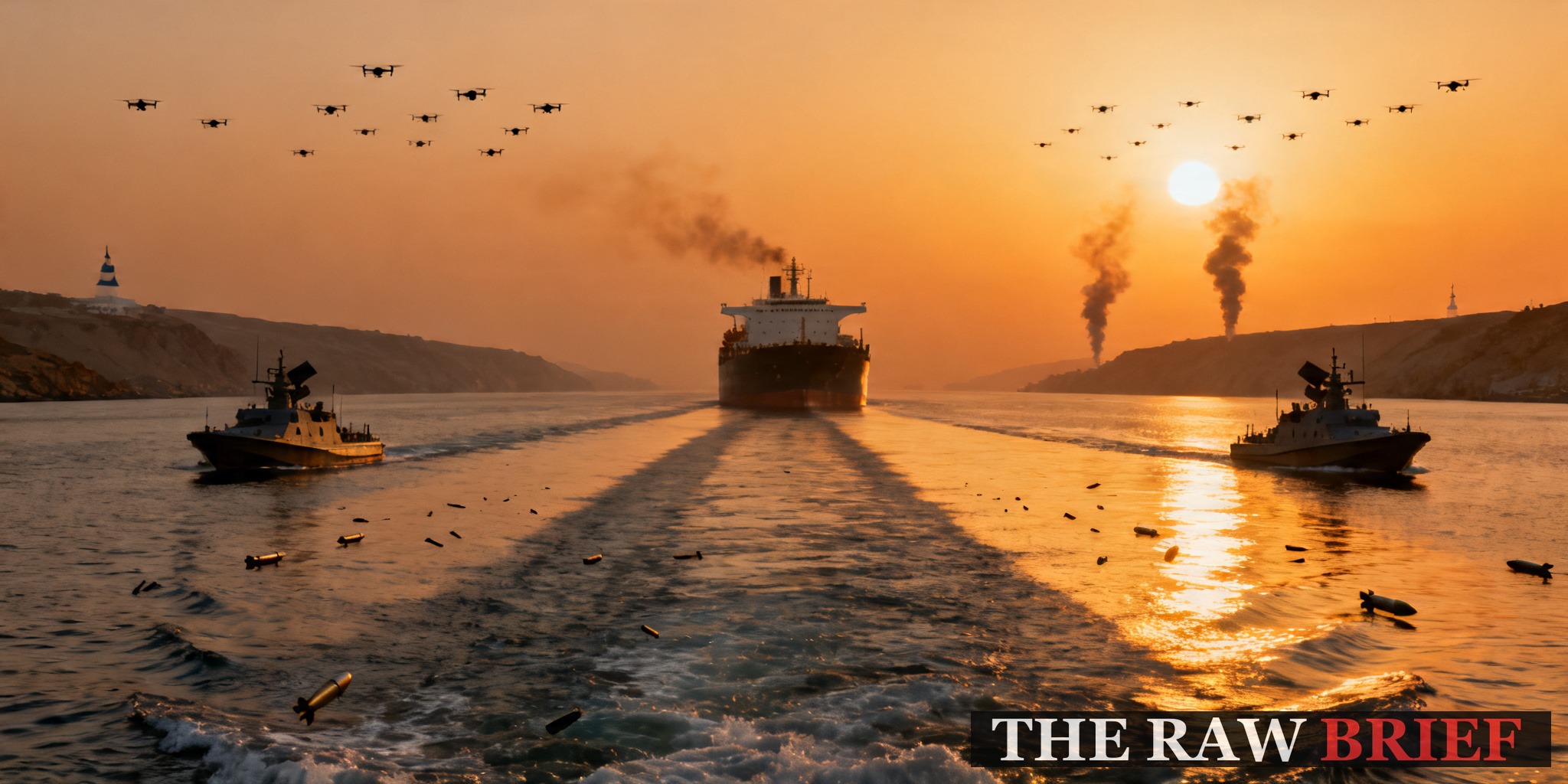
Postol argued that Iranian forces command all commercial vessel passage through the critical waterway as of April 17, 2026. "The Iranians can shut the Strait anytime they choose to and probably they will," he said.
The professor claimed Israeli defenses are collapsing under relentless Iranian attacks that have caused substantial damage and societal stress, disrupting daily life and forcing civilians into shelters. "The Israelis are taking a terrible beating from the Iranian drones and ballistic missiles," Postol said.
According to Postol, Iran maintains thousands of drones with real-time guidance capabilities and can manufacture more rapidly, while Israel is running out of interceptor missiles. He contended that Iran's military infrastructure is primarily located in underground tunnels that are impervious to conventional U.S. or Israeli attacks, making any military response ineffective.
The United States is reportedly preparing for a massive attack on Iran, with over 75 logistic flights into the Gulf since a ceasefire began, according to Postol's assessment. President Donald Trump announced the ceasefire between Israel and Lebanon on April 16, 2026, just before Iran's 8 PM attack deadline.
Postol also criticized the Bulletin of Atomic Scientists for publishing what he called a scientifically inaccurate article about the 1995 Russian false alert incident. He claimed the publication was lying about their expertise, calling it immorality on a massive scale.
The professor raised concerns about nuclear escalation risks, saying Russian early warning satellites cannot detect missile launches from the North Atlantic due to technical limitations. He suggested Ukraine's attack on a Russian early warning radar in Armavir, southern Russia, could have precipitated a high-level nuclear alert due to Russia's vulnerability.
Postol argued that President Trump's political support has dwindled significantly with potential Democratic gains in both House and Senate in upcoming elections. "The Iranians are in the driver's seat," he said, adding that Trump has started something he has no chance of resolving on favorable terms to himself.