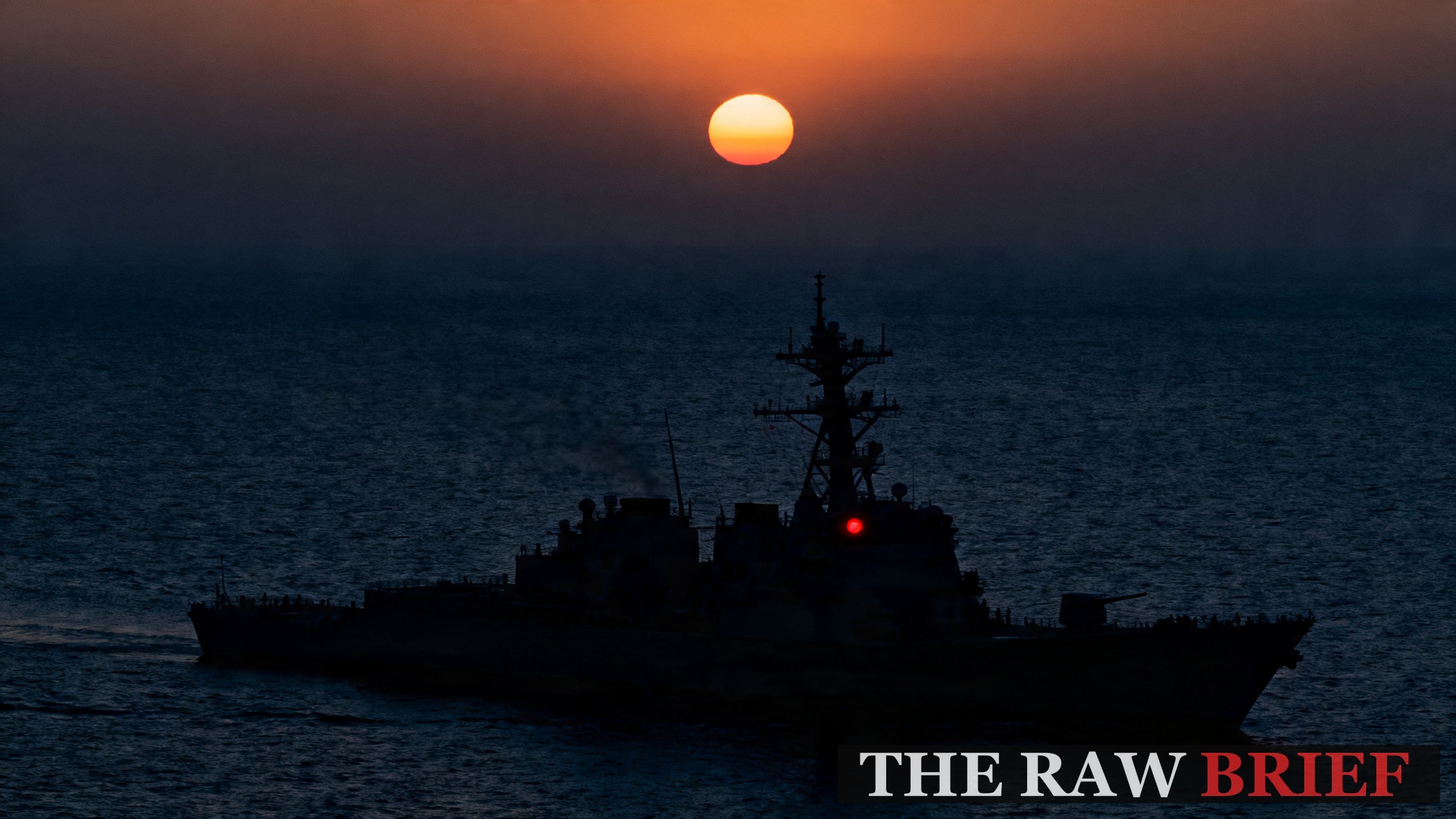
Retired Colonel Douglas Macgregor, a defense analyst and former advisor to the Secretary of Defense, issued a stark warning that the United States has dangerously overextended itself by establishing a naval blockade of the Strait of Hormuz, calling the mission difficult and potentially catastrophic.
According to Macgregor, the blockade—which he stated is "historically treated effectively as an act of war"—has already been challenged. A Chinese-owned vessel, the Rich Stary, transited the Gulf without being stopped, highlighting both operational difficulty and political risk. "This is a tough talk and we need to understand that this is a pretty difficult mission for the United States Navy," Macgregor said.
He argued the U.S. is militarily vulnerable, noting Iran's advanced missile capabilities. He warned that China could easily escalate the conflict, stating: "Two or three Chinese submarines properly deployed can sink everything that we own in the Indian Ocean in no time."
Macgregor claimed the U.S. initiated hostilities, saying: "We are the ones, along with the Israelis, that attacked Iran. We were not attacked." He framed the conflict as driven by Israeli regional ambitions, adding: "This war is about the Israeli state and the supremacy of the Jewish state throughout the entire region."
The retired colonel tied the blockade to economic peril, asserting the petrodollar system is near collapse as Iran urges oil payments in yuan. "I think we're staring at the end of the petrodollar. If this lasts much longer, we've had it," he warned.
He criticized presidential decision-making, suggesting President Trump issues orders without consultation. "I simply think he makes decisions and then tells everybody to go for it," Macgregor said. He also lamented the erosion of international norms, stating: "International law was only workable provided we as the leading power was prepared to uphold it and I think it's very clear that we're not."
Macgregor concluded with a grim outlook on broader consequences: "We are moving from abundance to scarcity. We've only just started. It's going to get worse."