Former US Marine Corps intelligence officer, UN weapons inspector, author and geopolitical analyst Scott Ritter said that the United States and Israel suffered a comprehensive defeat in their conflict with Iran, which has now conditionally reopened the strategically vital Strait of Hormuz.
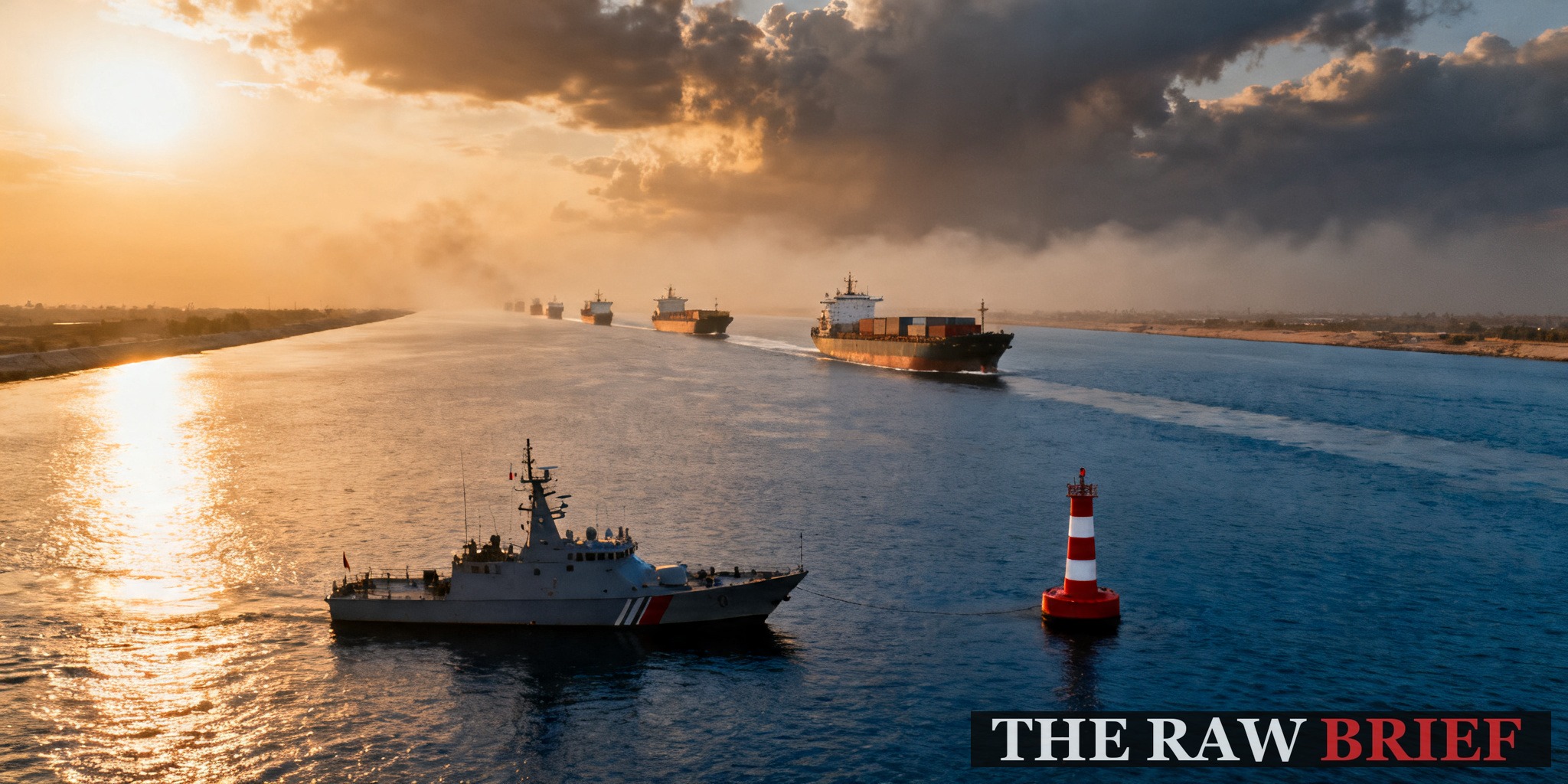
Iran reopened the waterway on April 17, 2026, allowing only commercial ships to pass through its territorial waters under IRGC Navy coordination. The move came as a 10-day ceasefire between Lebanon and Israel took effect, which Ritter said influenced Tehran's decision.
"The United States and Israel lost this conflict. They've achieved nothing," Ritter said during an interview with host Danny Haiphong. He claimed the US sought a ceasefire after recognizing the futility of continuing military operations against Iran.
Ritter argued that Iran emerged with its military capabilities fully intact, including ballistic missile effectiveness and control over the critical shipping chokepoint. "Iran holds all the cards. All the cards," he said.
Ritter said Europe faces immediate consequences, noting the continent faces complete aviation fuel depletion within 11 days. "Europe runs out of aviation fuel in 11 days," he said, noting this would ground all commercial flights.
Ritter claimed President Donald Trump is attempting to frame the Strait reopening as a political victory to boost his domestic standing ahead of midterm elections, despite the strategic defeat.
Behind-the-scenes negotiations for a comprehensive peace deal based on the Islamabad Memorandum of Understanding are continuing between US and Iranian technical teams.
The conflict exposed significant weaknesses in US conventional warfare capabilities, particularly regarding ballistic missile defense and counter-drone operations, according to Ritter. He also contended that NATO is experiencing a fundamental rift with the United States, with real potential for American withdrawal from the alliance as early as summer 2026.
Ritter said the temporary closure revealed that "there is no replacement for the petro dollar" in the global economic system, while also exposing China's economic vulnerability to Middle Eastern energy disruptions despite its manufacturing supremacy.